Every Halloween, millions of people dress up, carve pumpkins and enjoy a good scare. What many people don't realise is that some of these traditions began centuries ago in Scotland.
The roots of Halloween can be traced back to the ancient Celtic festival of Samhain (pronounced Sow-in). This celebration marked the end of the harvest and the beginning of winter. It took place on the night of 31 October and signalled the start of the darker half of the year.
The Origins of Halloween
More than 2,000 years ago, the Celts celebrated Samhain across Scotland and Ireland. They believed the boundary between the world of the living and the spirit world became thinner on this night. As a result, ghosts, fairies and other supernatural beings could cross into our world.
To protect themselves, people lit large bonfires and gathered with their communities. They also wore disguises to confuse or scare away wandering spirits. While today's Halloween costumes are often inspired by horror films and pop culture, the tradition of dressing up has much older roots.
Scotland's Halloween Traditions
Scotland also gave us one of Halloween's best-known customs: guising. Long before trick-or-treating became popular, Scottish children dressed in costume and visited their neighbours. Instead of simply asking for sweets, they earned their treats by singing a song, telling a joke or reciting a poem.
Food played an important part in the celebrations too. Families enjoyed seasonal treats and took part in fortune-telling games. Apples and hazelnuts often featured in these traditions, with many believing they could reveal clues about love, luck or the year ahead.
Another well-known tradition involved carving lanterns. Before pumpkins became common, people carved frightening faces into large turnips. They placed candles inside to create eerie lanterns that helped ward off evil spirits on Halloween night.
From Turnips to Pumpkins
When Scottish and Irish families emigrated to North America, they discovered that pumpkins were much easier to carve than turnips. Pumpkins were larger, softer and more widely available. Over time, they replaced turnips and became one of Halloween's most recognisable symbols.
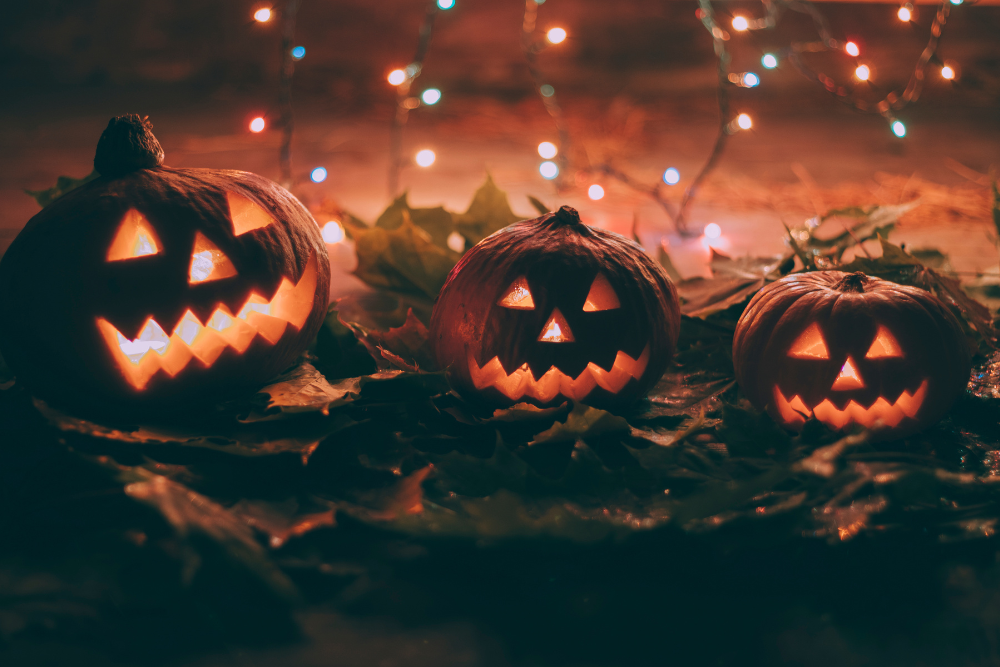
Today, carved pumpkins appear on doorsteps around the world. However, their origins can still be traced back to the older Scottish and Irish tradition of carved turnip lanterns.
Halloween Today
Halloween has changed a great deal over the centuries, but its spirit remains the same. Communities still come together to celebrate the darker side of the year. The bonfires may have disappeared, but horror films, haunted attractions, costume events and immersive experiences have taken their place.
At Northern Frights, we love celebrating both the history and the fun of Halloween. Our events bring people together to enjoy horror in all its forms, from film screenings and live entertainment to unforgettable immersive experiences.
Scotland has played an important role in shaping Halloween as we know it today. Every carved pumpkin, spooky costume and ghost story carries a little piece of that history forward.